SCA’s Government Services service line supports jurisdictions, public agencies, and partner organizations as they navigate the increasing complexity of code administration, policy implementation, and community service delivery. By combining technical code expertise with practical public-sector experience, SCA helps clients evaluate code adoption options, implement new requirements, train staff, strengthen internal processes, and respond to evolving legislative and regulatory expectations. This service line is designed to help communities build capacity, improve consistency, and maintain effective, trusted building safety programs in a rapidly changing environment.
OCTOBER 2026 UPDATE
ENERGY STAR is moving to the Department of Energy
EPA and DOE have begun formally moving ENERGY STAR to DOE, with the complete transition planned by July 2027. That includes the program’s leadership, trademark and supporting technology and databases. Why does that matter to buildings? ENERGY STAR shows up in everything from equipment specifications and utility incentives to benchmarking and building-performance programs.
Reference:
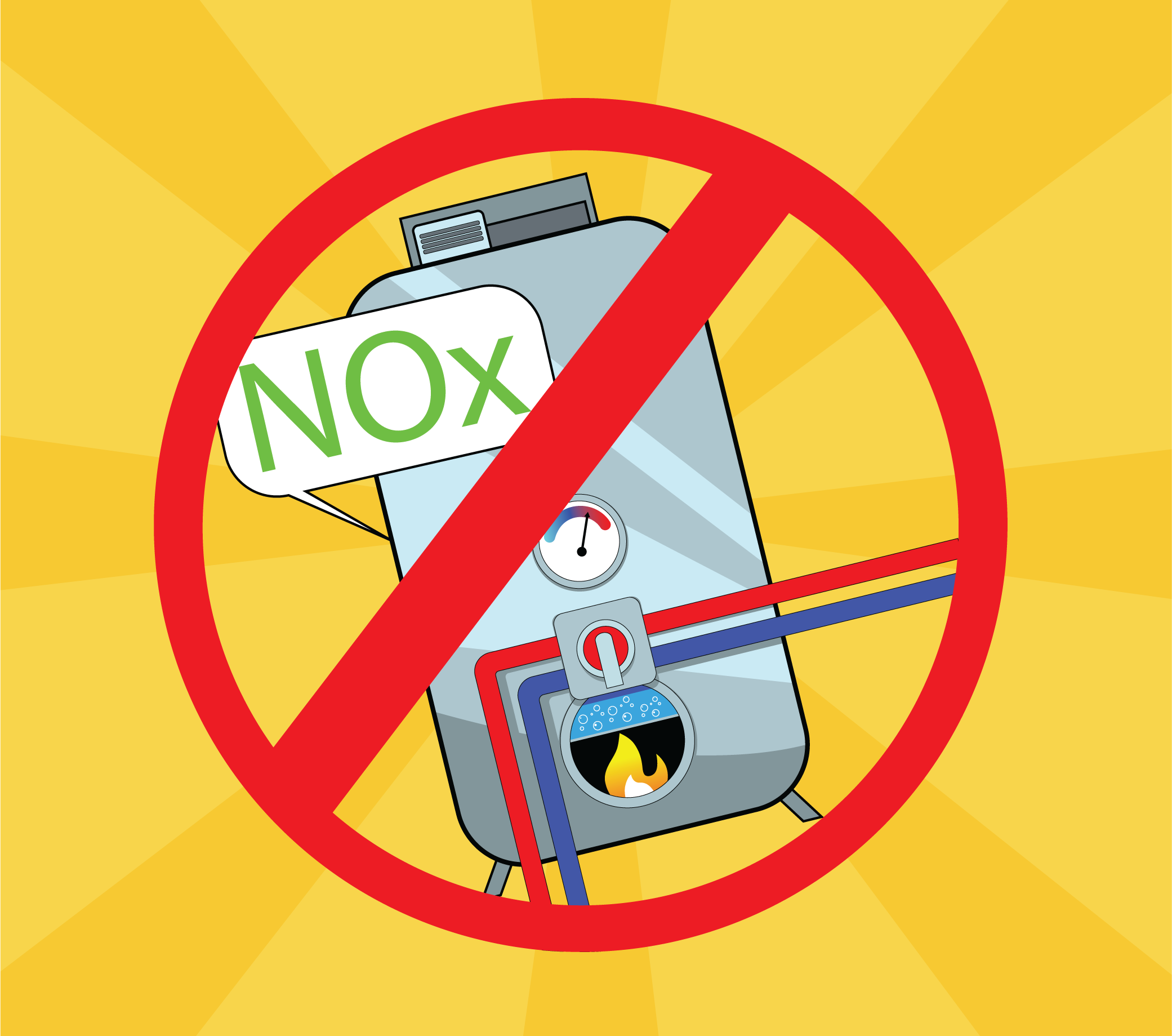
The Bay Area water-heater rule is moving again
The Bay Area Air District formally opened comments on changes to its zero-NOx water-heater rule, with comments due November 1, 2026. The proposal would move the first compliance date from 2027 to 2028 and add exemptions for some affordability, electrical-capacity and installation constraints. Until those amendments are adopted, the existing 2027 requirement remains in place. This continues to be an important example because the requirement isn’t coming from a building code. It’s an air-quality regulation that nevertheless affects appliance selection, electrical systems, contractors and potentially the permitting process.
Reference:
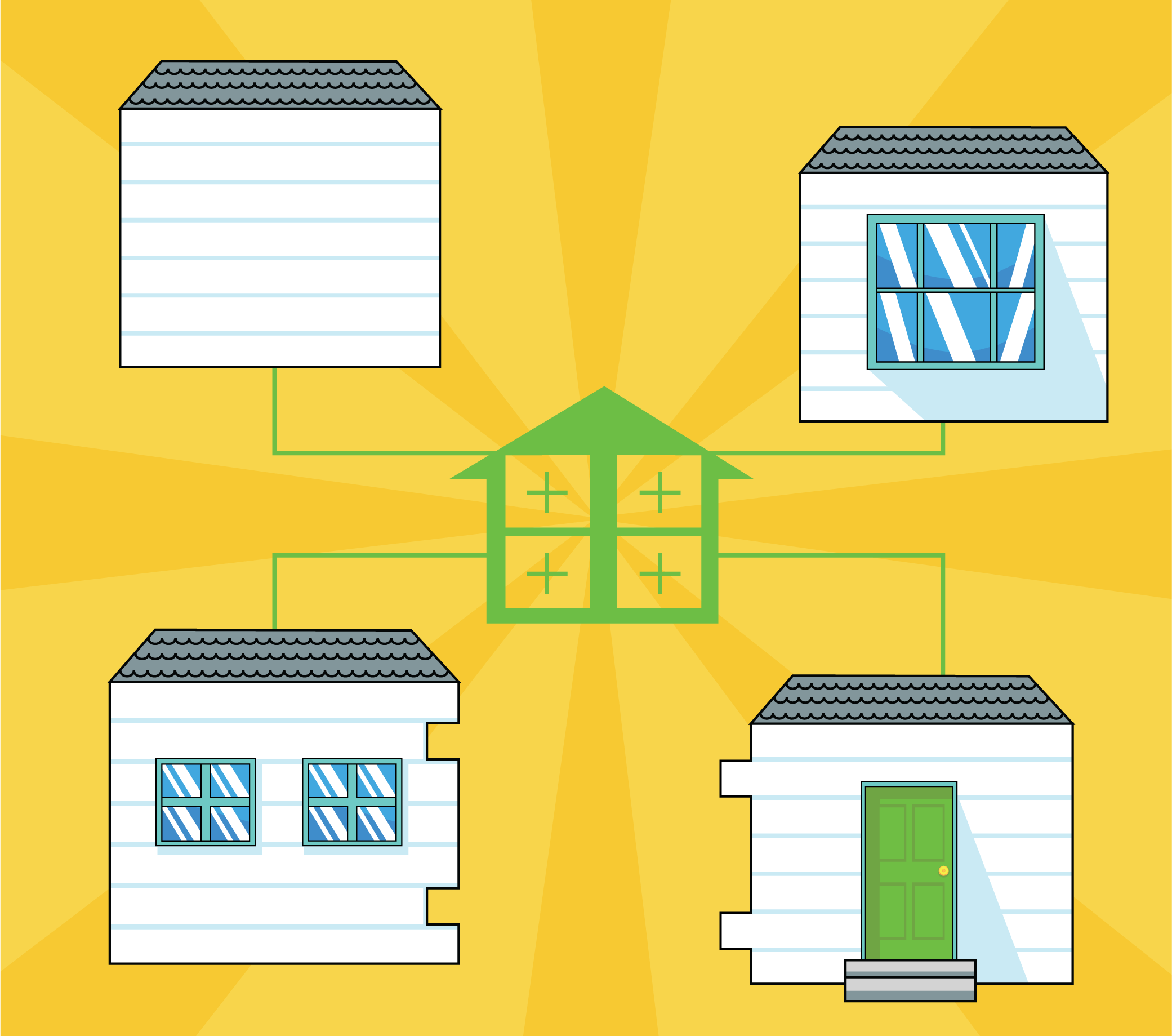
Factory-built housing is changing quickly
The ROAD to Housing Act made several major changes affecting manufactured and modular construction, including changes to the traditional manufactured-home chassis requirement and federal work on barriers to modular housing. We are already seeing that move from policy to actual construction. On September 17, Cavco unveiled what it describes as the first HUD-code manufactured home built without a permanent steel chassis, just as HUD’s Innovative Housing Showcase brings manufactured, modular and other off-site systems to Washington.
Reference:
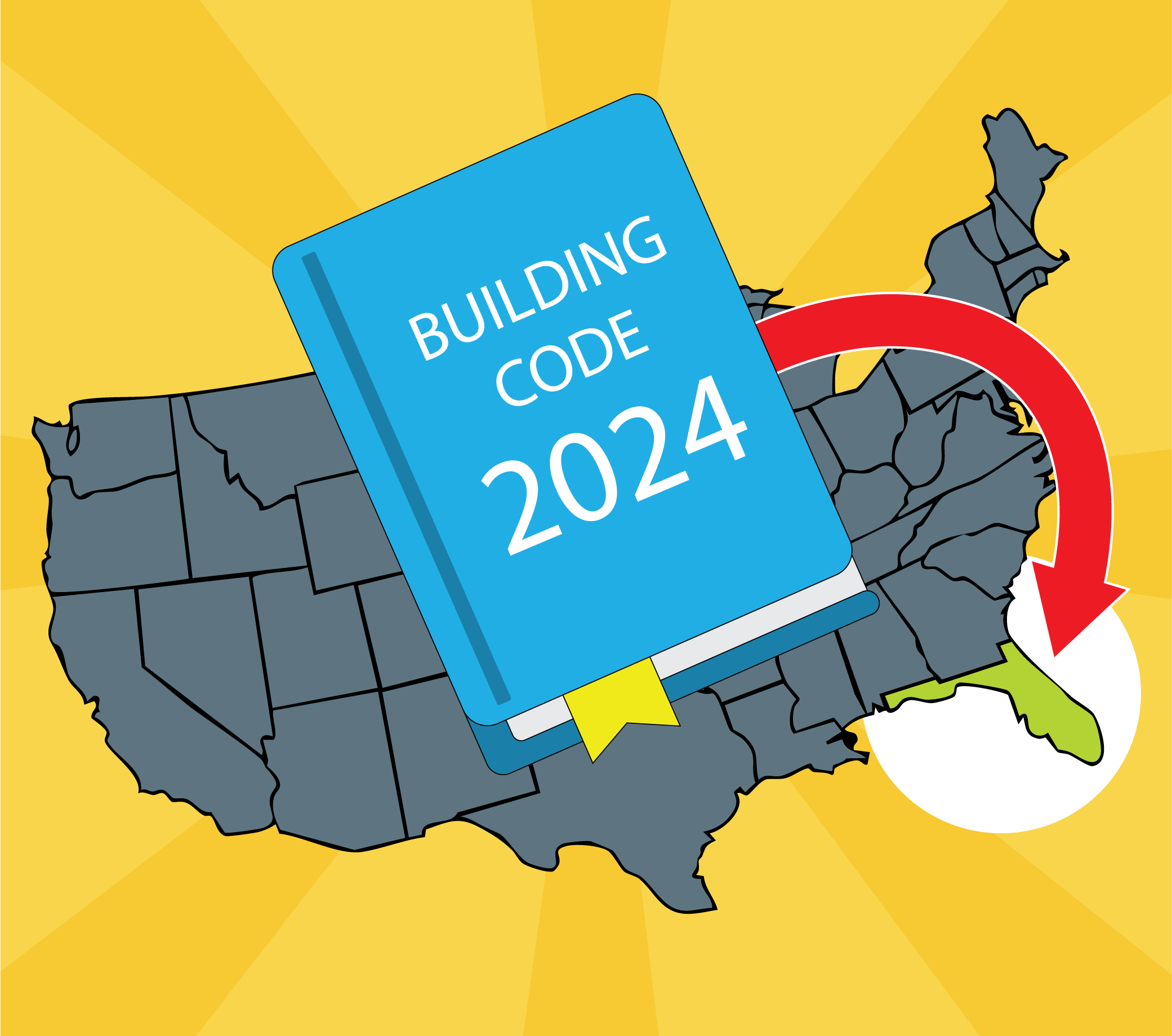
The 2024 codes are arriving—but adoption is only step one
Oklahoma’s amended 2024 I-Codes became effective September 14. Florida is preparing for its new 2024-based Florida Building Code at the end of December while still working through final glitch amendments. That illustrates something we see regularly: adopting a new code is only the beginning. Someone still has to compare amendments, update forms and checklists, train staff, educate the industry and answer the inevitable question: Which code applies to my project?
Reference:
Wildfire codes show why implementation matters as much as adoption
California’s proposed statewide Zone 0 defensible-space regulations hit a procedural pause when the emergency filing was withdrawn September 8. Meanwhile, Colorado communities are moving through implementation of the state’s Wildfire Resiliency Code.
Reference:
Shums Coda Associates has had the privilege of providing plan review, inspection or permit processing services on behalf of many clients.